Sustainability Interactive

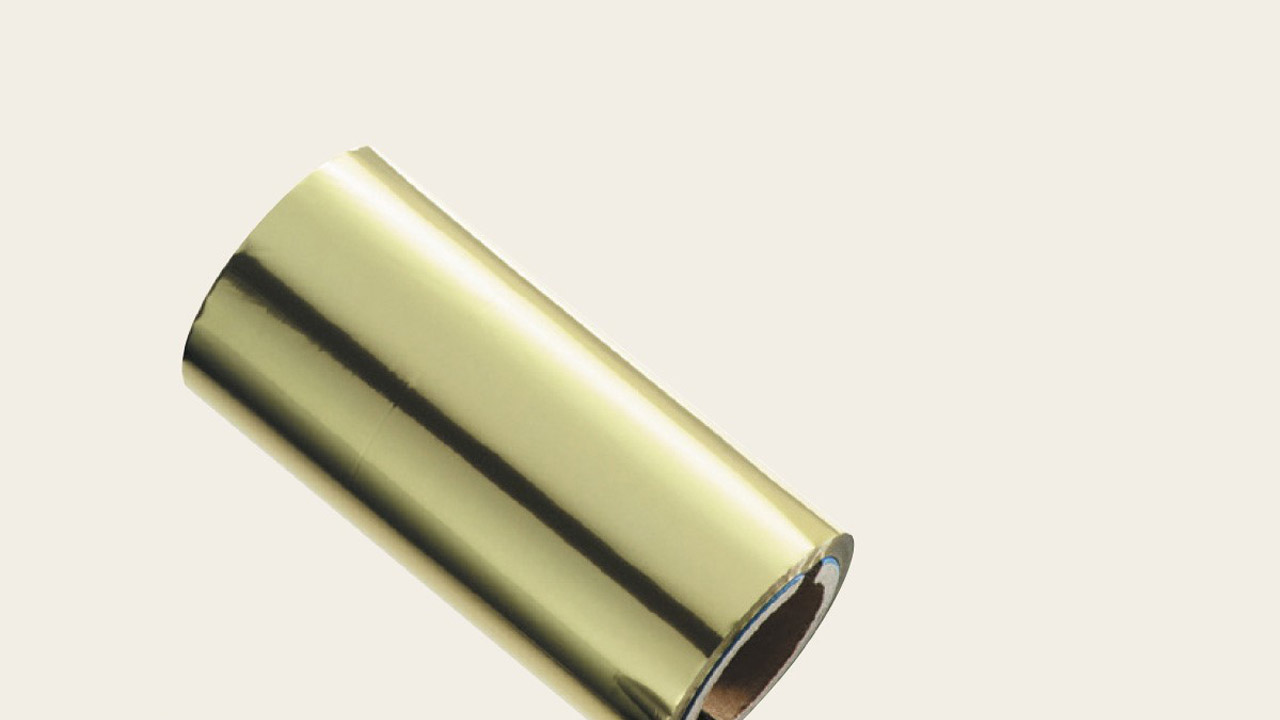
The finished end product

Minimal material application.
Maximal effect on sustainability.

Sustainability Interactive

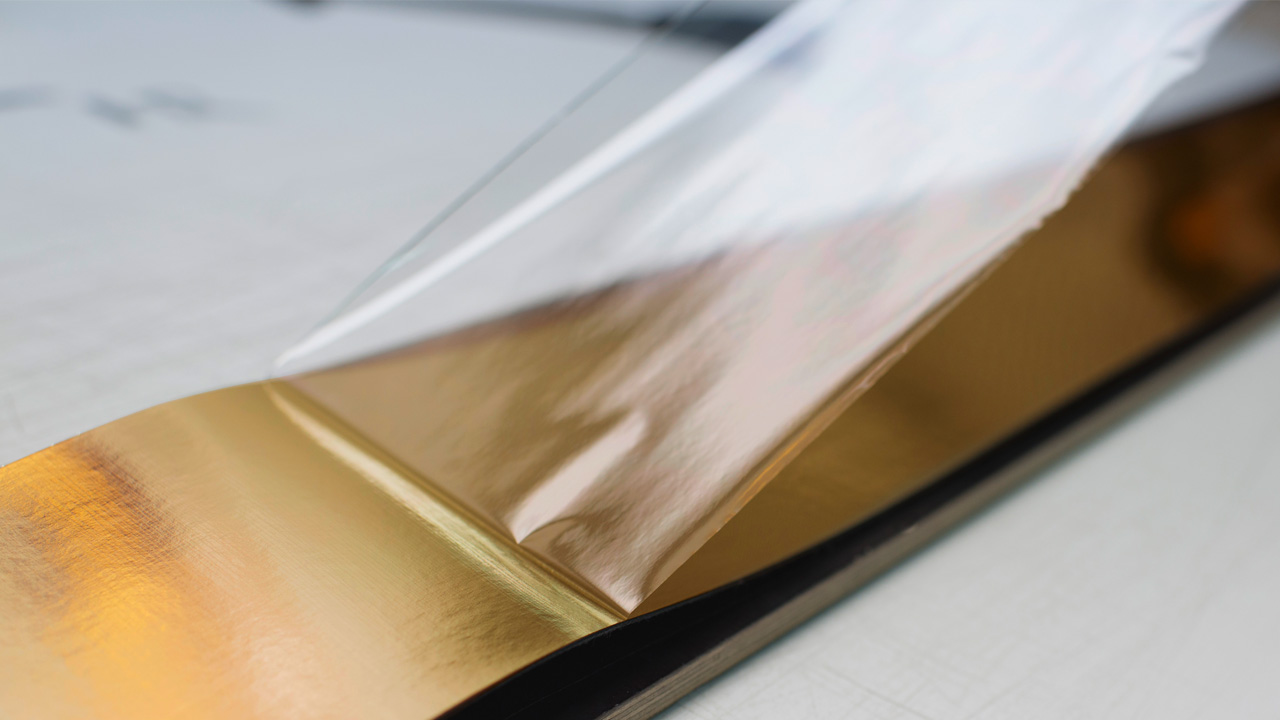
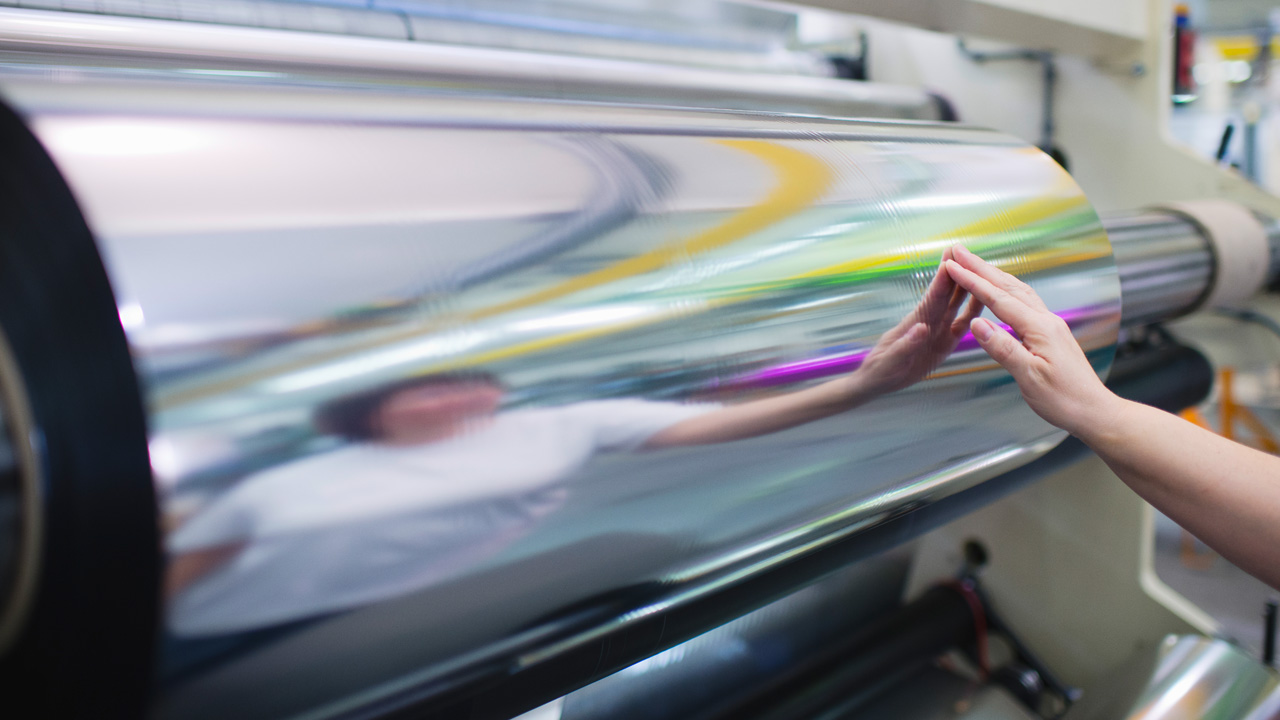
The transfer process

Dry. Emission-free. Highly efficient.

Sustainability Interactive

Manufacturing process

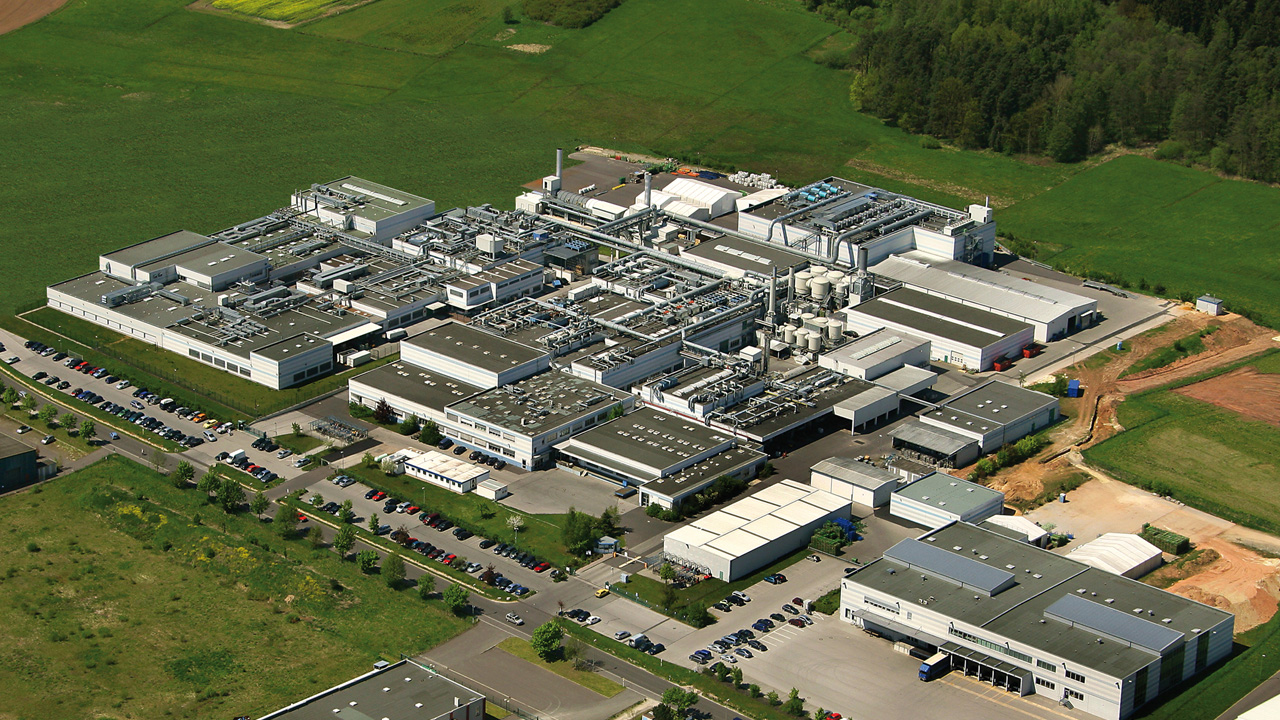
Sustainable production as an
international benchmark

Sustainability Interactive

The PET
carrier

Valuable. Harmless. Recyclable.

Transfer Process

Hot Stamping

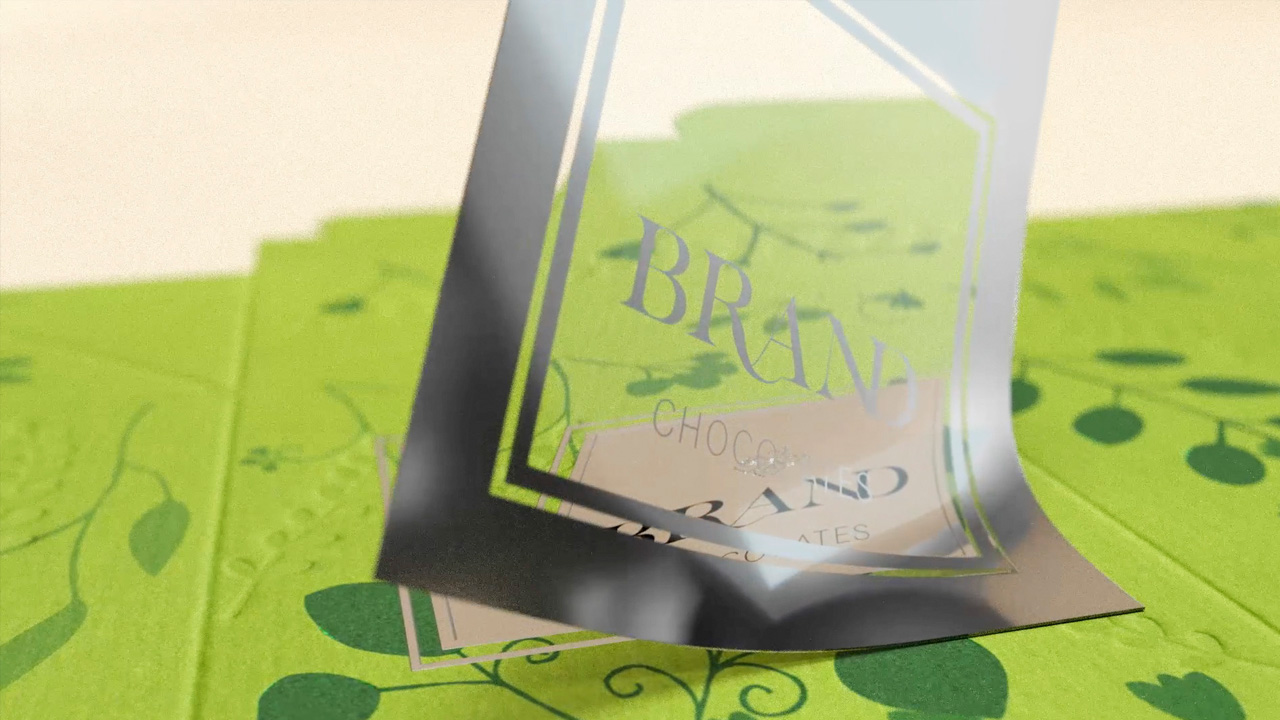
Hot stamping is characterized by its fundamental enviroment compatibility. Wafer-thin aluminum and lacquer layers (the decoration) are transferred from a thin PET carrier to a substrate during the printing process. The carrier is removed. The decorative layer remains on the substrate.

This is what makes hot stamping sustainable:

  • Dry process
  • No direct emissions in the finishing process
  • Very thin PET carrier
  • Unused material can be kept for the next application

Transfer Process

Cold Transfer

Cold trasfer (sheet fed and web fed) also involves transferring very thin aluminium and laquer layers (the decoration) to a substrate. However, an printed adhesive is also applied. once hardened, the carrier is removed from the substrate. The metallic decoration remains on the parts of the substrate braring adhesive.

This is what makes cold transfer sustainable:

  • Foil-saving system (DISTORUN) for precise positioning of single images and continuous designs. This facilitates efficient use of the space between two images.
  • Dry process
  • No direct emissions in the finishing process
  • Very thin PET carrier
  • Unused material can be kept for the next application
  • Minimizes waste and energy use

Transfer Process

Digital Metal®

Our innovative Digital Metal® transfer process is a particularly versitate way to achieve your desired finish.

The DM-JETLINER® enables you to apply metallization effects to paper and label materials seamlessly inline inside your digital printer prior to digital color printing. Once the PET carrier has been removed, the metallic finish can be overprinted in the machine.

The DM-LUXLINER® applies metallization to paper and cardboard after digital color printing, therefore expanding the range of finish options.

This is what makes Digital Metal® sustainable:

  • Minimized set-up times (less waste and energy use)
  • Lower material use
  • Lower losses at the start of production

Transfer Process

Dry. Emission-free. Highly efficient®

The transfer process itself is emission-free. No wet lacquers are used. As the decorative layer being transferred is so thin, its application uses less energy per m2 of finished surface than normal finishing procedures.

No foil on the product

  • No foil is transferred onto the product during the process.

Emission-free transfer

  • An extremely thin, dry lacquer layer is applied to the substrate (1.5 - 3μm).

Dry application process

  • Without using wet lacquers

Better than the alternatives

  • Uses less energy per m2 of finished surface than normal finishing procedures thanks to the decorative layer being ultra-thin

End Product

Hot Stamping

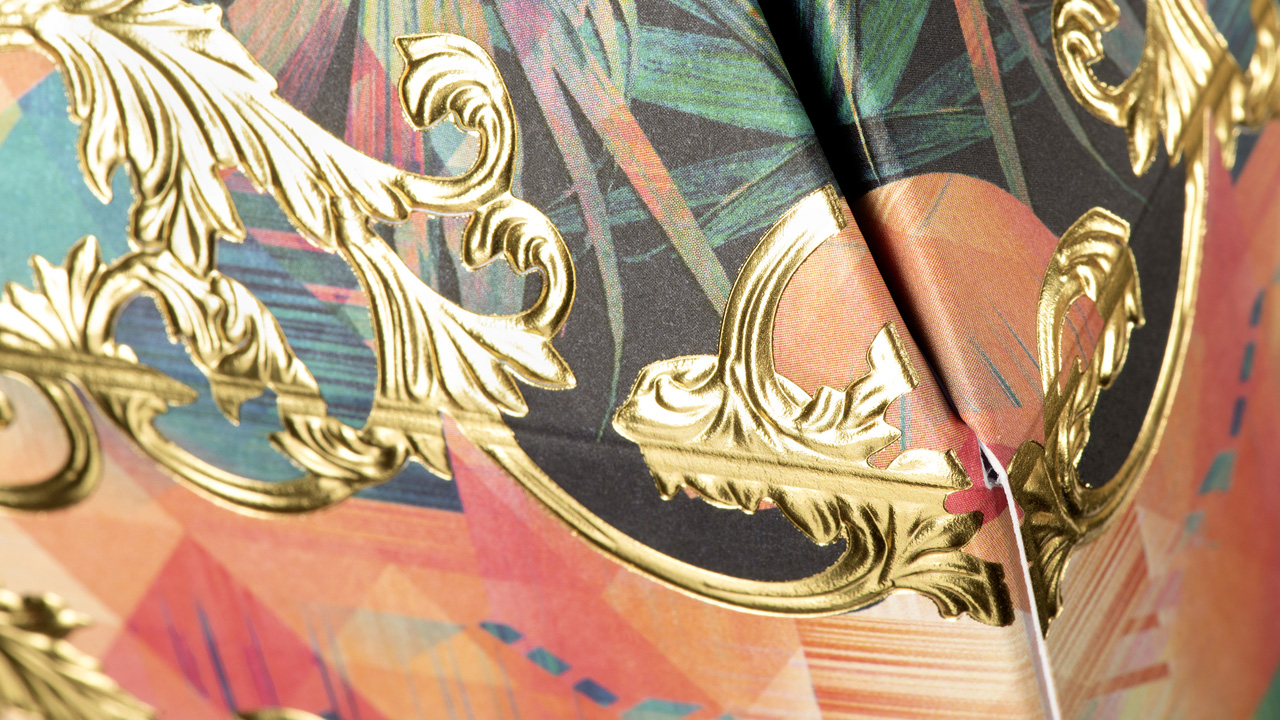
Hot stamping is characterized by its fundamental enviroment compatibility. Wafer-thin aluminum and lacquer layers (the decoration) are transferred from a thin PET carrier to a substrate during the printing process. The carrier is removed. The decorative layer remains on the substrate.

This is what makes hot stamping sustainable:

  • Dry process
  • No direct emissions in the finishing process
  • Very thin PET carrier
  • Unused material can be kept for the next application

End Product

No Foil on the product

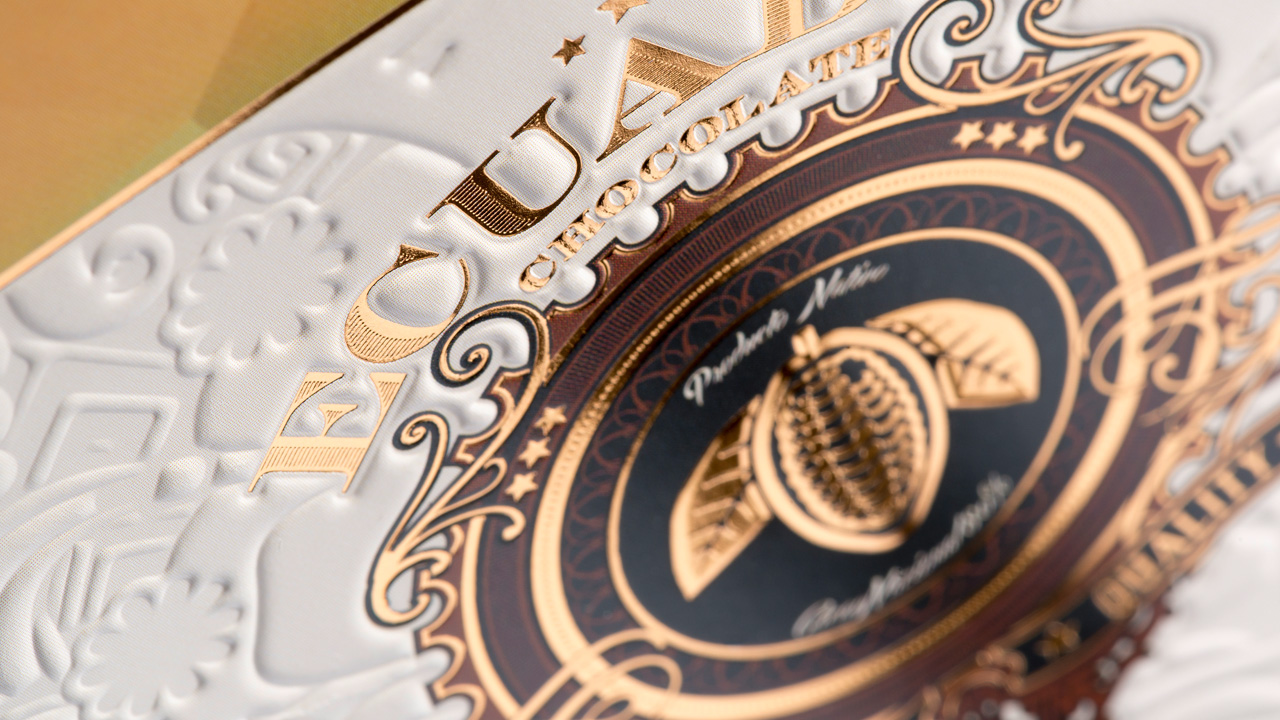
KURZ transfer technology does not use a laminate, so there is no foil left behind on the product. The surface finishing process is by transfer only. Therefore, packaging decorated using KURZ transfer technology is verifiably deinkable, compostable, and recyclable. How is this achieved? By applying the thinnest amount of material possible.

Transfer-only finishing process:

  • A PET carrier is merely used to ensure efficient transfer of the ultra-thin decorative layer, and is not left behind on the end product.

End Product

Minimum material application.
Maximum effect on sustainability

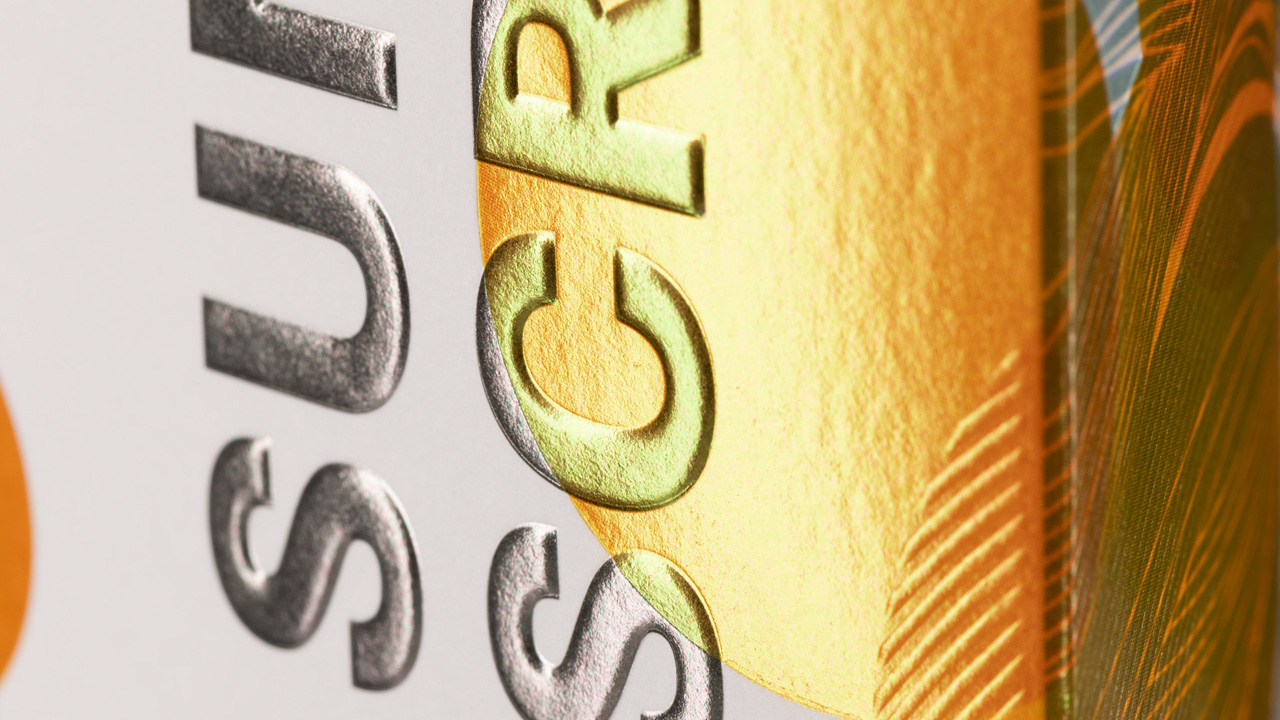
The aluminum layers that are transferred onto the substrate in our dry finishing process are just 0.02 μm thick. That makes them 6,000 times thinner than a human hair.

Minimal material use:

  • Aluminum layer applied is just 0.02 μm thick
  • Minimal amount of lacquer (~2.4 g/m²)

End Product

Impressively safe

Paper and cardboard packaging decorated using KURZ transfer technology is fully processable by means of existing collection, sorting and recycling methods. Products with a KURZ finish can be recycled and composted at any sorting facility without additional hassle.

Deinkable:

  • Independent tests by INGEDE have confirmed that our hot-stamp and cold-transfer products are fully deinkable.

Recyclable and compostable:

  • Transfer finishing does not affect either the automatic sorting process or the compositing process.

Harmless raw materials:

  • KURZ transfer finishes are in accordance with all international, European and German enviroment regulations. Thus, they comply fully with the EU chemical regulation REACH.

Pet Carrier

Pet as a reusable Material

The carrier foil is made of PET, and is free from hazardous substances, even when carrying dry residual lacquer from the coting process. It remains a raw material in terms of the industrial waste cycle, making re-use easier.

Energetic recovery: The majority or our scrap transfer carriers are currently used to create energy. The PET carriers can be kept as secondary fuel for energy recovery plants. Their high heating value means that tehy can be used to fire specially equipped facilities that normaly run on gas, coal or oil. PET carriers are a popular replacement for fossil fuels in many industrial sectors.

Landfill as an exception: Depending on users' commitment to sustainability, remains of our PET carriers do sometimes end up in landfill. This is, of course, not the most sustainable solution. However, PET does not release emissions or pose a danger to soil or groundwater.

  • Valuable replacement for natural gas or oil as a fuel
  • No hazardous waste
Pet Carrier

The closed loop: Pet recycling

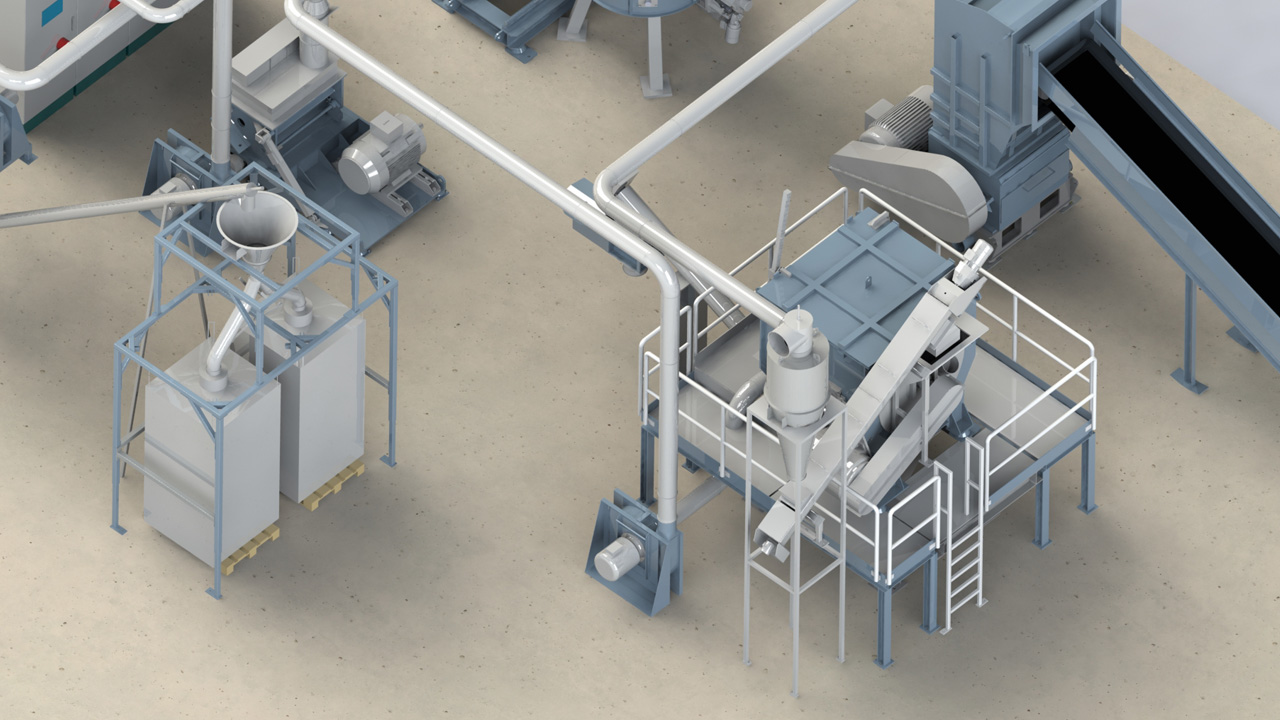
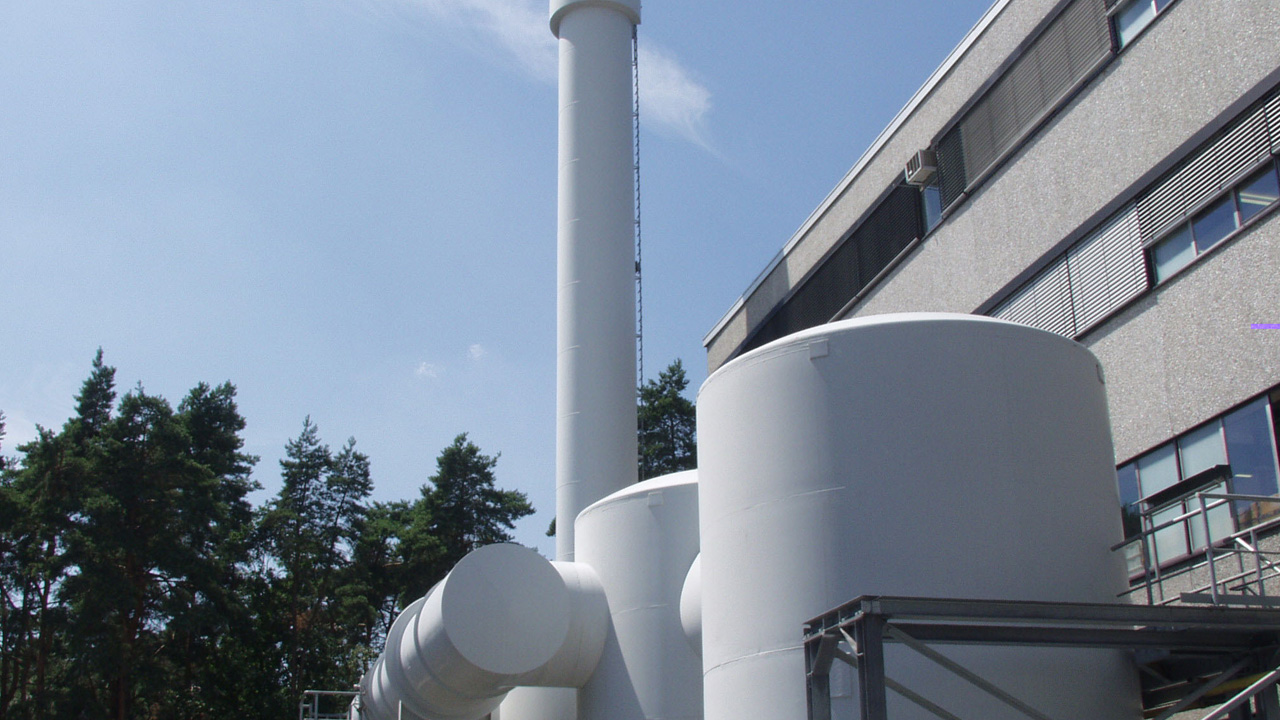
After many years of development, we have managed to develop a process for which the world's very first recycling plant for KURZ transfer foil wastage has been put into operation.

In-depth expertise gainded from our plastic segment was especially helpful in developing this process. Our plant now enables us to produce recyclate as well as raw materials for PET polymerization.

Currently we are gradually establishing a take-back system for our PET backing films and are, thus, the first manufacturer in the world to close the recycling loop for transfer foils.

  • Launch of a PET recycling program
  • Optional recyclate qualities

Pet Carrier

Low Waste

KURZ transfer decoration is applied to extremely thin PET carriers (max. 12 μm) for efficient processing. Through continuous further development in machine technology, in particular through foil saving systems, foil consumption is successively reduced. New PET carrier materials will soon be available, which will further reduce the amount of residual material considerably.

Manufacturing Process

Minimized Energy use

1 m² LUXOR®-cold-transfer foil can be manufactured with an energy input of approximately 15 W/m². Thus for this transfer foil, by applying surplus regenerative heat in the manufacturing process, by generating on-site solar-energy and purchasing green electricity, our environment is impacted with only 1.5g CO2-equivalent/m².

  • Very low energy input per m2 of transfer foil
  • Approx. 1.5g CO2-equivalent/m² for cold-transfer foil for energy input

Manufacturing Process

Highly efficient energy recycling

We recover the solvents used after the lacquering process from the exhaust air and use them to generate heat and energy in our production facilities. Thanks to our regenerative heat and energy plants, we are able to achieve efficiency levels of up to 95%. This system also enables us to stay 85% below the emission values allowed by law.

  • Regenerative heat and energy generation with 95% efficiency
  • Only 15% of permitted emissions
  • Use of cogeneration units

Manufacturing Process

Highly efficient energy management

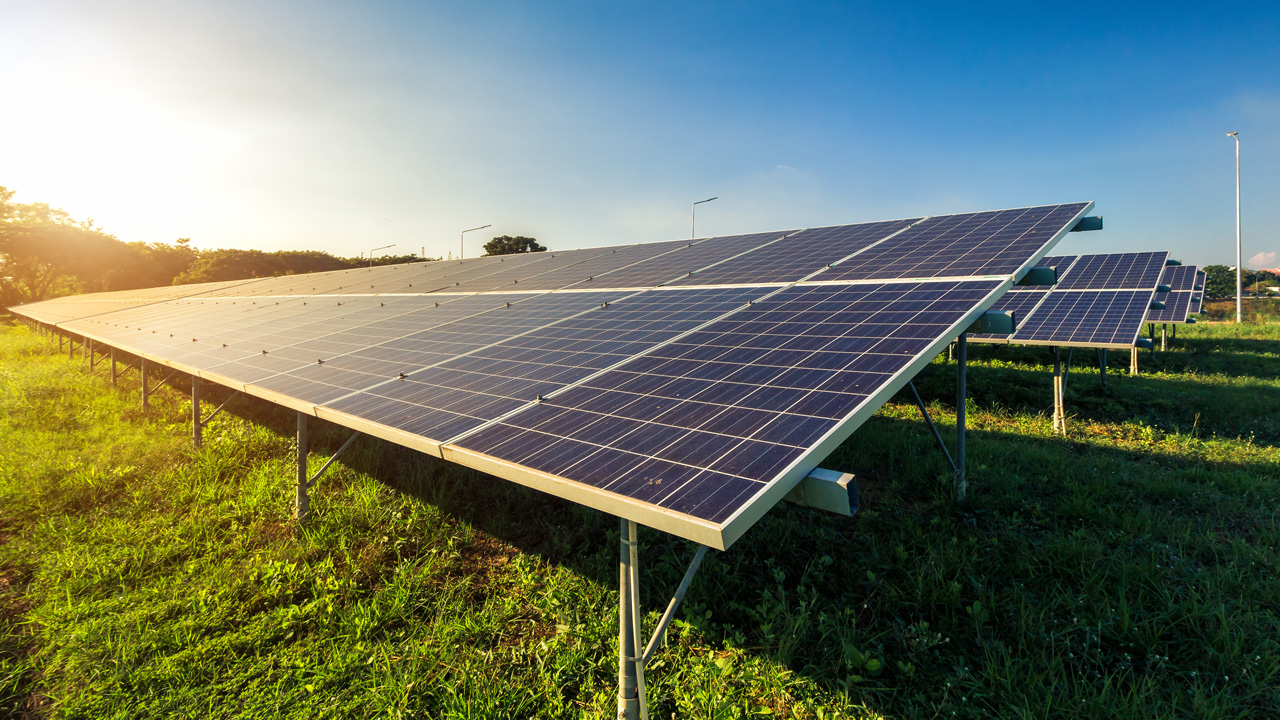
Step by step, we are getting closer to our aim of a CO2-neutral production process. For example, 100% of the electricity used at KURZ Germany comes from renewable sources. We generate some of the energy ourselves using solar panels.

  • 100% energy from renewable sources
  • Development of own solar-power plants

Manufacturing Process

International Standards

DIN ISO 14001 – the international environmental management standard, forms the international benchmark for the manufacture of our transfer products. All of our factories are relevantly certified, and we work according to a strict, customized environmental management system. Integrating energy management standard ISO 50001 also helps us to increase our awareness of sustainable and energy-efficient processes within the company.

  • Waste water-free production process
  • Lowest possible CO2 footprint